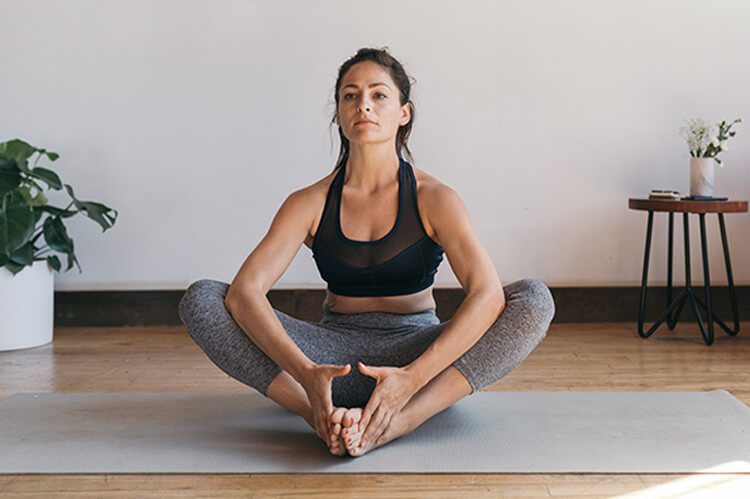
📱🧘 Like many people, I had seen countless social media yoga challenges promising flexibility, calm, and transformation in just a few minutes a day. The videos were polished, the instructors effortlessly graceful, and the comment sections filled with success stories. At first glance, it all seemed more like curated content than a meaningful practice. Still, curiosity won out, and I decided to commit fully to one of these challenges to see what would actually happen beyond the screen.
What I didn’t expect was how deeply the experience would affect my relationship with yoga, consistency, and self-expectation. What started as a casual experiment became a mirror revealing habits, pressures, and lessons that extended far beyond the mat.


⏰ At the beginning, motivation felt easy. The excitement of starting something new and the novelty of following along with a daily video carried me through the first few days. But as the challenge continued, motivation naturally faded. Busy schedules, mental fatigue, and everyday responsibilities quickly made even short practices feel like obligations rather than choices.
What I learned is that consistency doesn’t rely on motivation it relies on structure. Showing up daily required planning, time awareness, and commitment. Even when energy was low, the act of starting the practice often created momentum on its own.
Tip: Attach your practice to an existing routine, like mornings or evenings, so it becomes part of your day rather than an extra task.
🎥 Practicing yoga with a camera whether recording yourself or constantly watching someone else shifts attention outward. I noticed I was checking alignment visually instead of feeling it internally. Poses became about symmetry and angles rather than breath, stability, or comfort.
This external focus subtly reduced mindfulness. Yoga, which is meant to foster internal awareness, became more visually driven. The experience made it clear how easily technology can pull attention away from bodily intuition.
Tip: Occasionally turn off the screen or close your eyes during familiar poses to reconnect with sensation rather than appearance.
👀 Scrolling through other participants’ posts made comparison nearly unavoidable. Some people progressed faster, looked more flexible, or appeared more confident. Even with prior yoga experience, I caught myself questioning my own ability and progress.
This comparison didn’t motivate it distracted. It shifted the focus from personal growth to external benchmarks. Recognizing this pattern was a powerful reminder that yoga progress isn’t linear and shouldn’t be measured visually.
Tip: Limit social scrolling during challenges and remind yourself that everyone’s body, background, and pace are different.
⚡ Initially, I doubted the impact of 10–15 minute sessions. They seemed too brief to create noticeable benefits. Over time, however, those short practices improved joint mobility, reduced stiffness, and helped reset my mental state during stressful days.
The key was consistency and presence. A short, focused practice done daily proved more effective than occasional long sessions filled with distraction. This completely reframed how I define a “real” yoga practice.
Tip: Focus on quality of attention rather than length of practice presence amplifies results.
🔄 There were days when I felt energized and excited, and others when practicing felt like the last thing I wanted to do. Waiting for inspiration would have meant skipping many sessions. Discipline showing up regardless of mood became the true driver of progress.
This lesson extended beyond yoga. It reinforced how habits are built through repetition, not emotional readiness. Discipline created reliability, and reliability created results.
Tip: On difficult days, lower expectations. Gentle movement still counts.
🎭 Posting progress or following along publicly introduced subtle pressure. At times, I noticed myself prioritizing completion over experience, rushing through poses just to “check the box.” Yoga began to feel like content consumption rather than self-care.
This realization highlighted the importance of intention. Without clarity, even mindful practices can become performative. Re-centering on why I was practicing helped restore authenticity.
Tip: Set a private intention before each session to anchor your focus inward.
📝 The most transformative moments came after practice not during it. Taking time to notice changes in breath, mood, or energy created deeper awareness. Reflection turned physical movement into emotional and mental insight.
Without reflection, the challenge would have felt repetitive. With it, each session offered something new even on days when the poses felt familiar or difficult.
Tip: Spend one minute after practice observing how you feel without judgment.
Doing one of those social media yoga challenges turned out to be far more revealing than expected. While the platform itself offered convenience, structure, and accessibility, it also highlighted the tension between visibility and presence. The challenge exposed how easily external validation, comparison, and performance can creep into a practice meant to be personal and restorative.
Ultimately, the experience reinforced an essential truth: yoga works best when it’s honest. Honest about limitations, energy levels, and intentions. Social media can be a helpful tool but only when paired with self-awareness and boundaries.
🌱 In the end, the greatest lesson wasn’t about flexibility or streaks it was about learning how to stay connected to myself, even in a highly curated digital space.