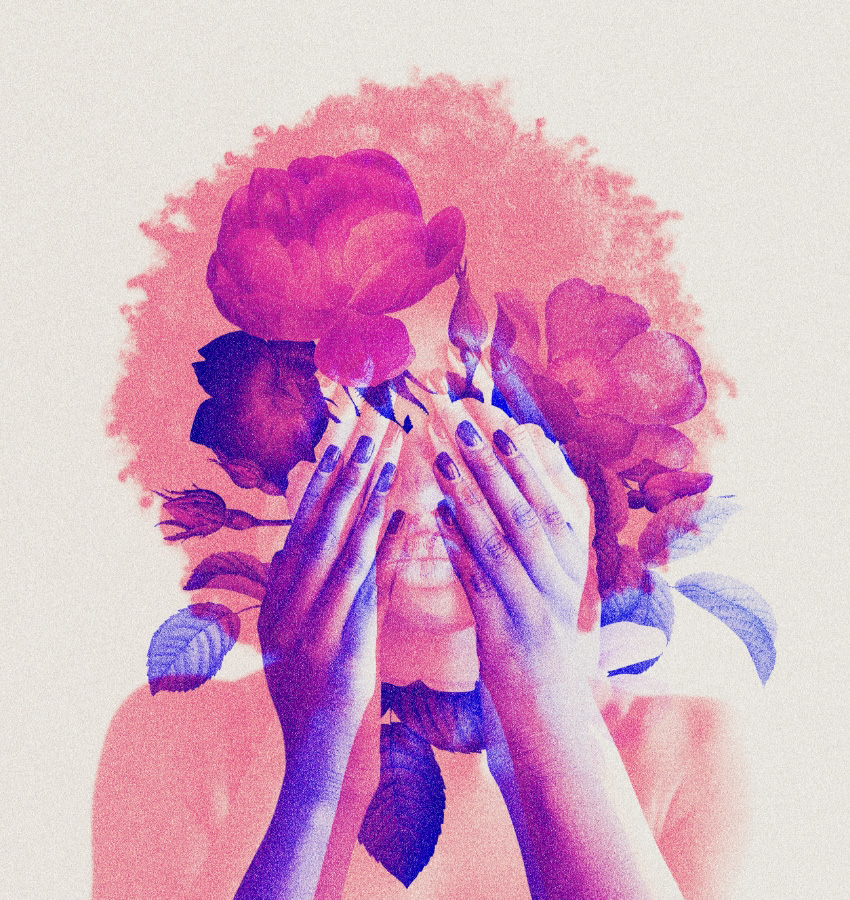
In today’s digital era, the internet has revolutionized how artists share their work, build audiences, and grow careers. For artists, establishing an online presence is no longer optional it is essential. Whether you are a painter, sculptor, musician, writer, or digital designer, the web offers unprecedented opportunities to showcase creativity, connect with global audiences, and turn passion into a sustainable career. Helping artists successfully launch online involves more than creating a website; it requires guidance, strategy, and knowledge of both creative and technical tools to ensure their work reaches its full potential.
A strong online identity is the foundation of an artist’s digital presence. It begins with defining a personal brand that communicates style, vision, and values. This includes selecting a cohesive visual aesthetic, curating work thoughtfully, and crafting compelling artist statements or biographies. For students in online colleges, learning to present themselves professionally across digital platforms is critical. A clear online identity not only attracts audiences but also establishes credibility with galleries, clients, and collaborators, helping artists stand out in a crowded digital space.


The digital ecosystem is vast, with countless platforms available for artists. Websites, online portfolios, digital galleries, social media channels, and e-commerce platforms each serve different purposes. For example, Instagram and TikTok excel at visual storytelling and engagement, while platforms like Etsy or Shopify focus on sales and e-commerce. Online learning programs often guide students in evaluating platforms based on audience, art type, and career goals. By selecting the right combination of platforms, artists can maximize reach while maintaining consistency in how their work is presented.
Having a presence online is not enough artists must present work in a way that captivates and engages audiences. High-quality visuals, videos, time-lapse recordings of the creative process, and interactive projects help viewers connect with the art on a deeper level. Storytelling plays a key role; sharing inspiration, techniques, or the meaning behind each piece can turn casual viewers into loyal followers. Online courses often teach students how to create multimedia content, optimize images for the web, and craft narratives that make their work memorable and shareable.
The web is not only a space for showcasing art it is a platform for building communities. Artists can engage with audiences through comments, live streaming sessions, webinars, newsletters, and collaborative projects. Online interaction allows for immediate feedback, discussions, and opportunities for collaboration, which are invaluable for growth. For students in online colleges, learning strategies for community engagement teaches how to maintain active relationships with audiences, create meaningful conversations around their work, and foster a supportive network of peers and fans.
A strong digital presence opens doors to financial opportunities that go beyond traditional sales. Artists can sell original works, prints, digital downloads, and merchandise directly through websites and online marketplaces. Crowdfunding campaigns, subscription models, online classes, and workshops can generate additional revenue streams while expanding reach. By understanding pricing strategies, audience preferences, and e-commerce tools, artists can monetize their creativity effectively while maintaining independence and artistic integrity.
One of the unique advantages of an online presence is the ability to track audience behavior and measure engagement. Analytics can reveal which pieces resonate most, which content drives traffic, and how audiences interact with websites or social media platforms. Learning to interpret this data allows artists to refine their strategies, improve content, and make informed decisions about future projects. For online students, developing digital literacy and analytical skills is an essential part of creating a sustainable and adaptive online presence.
Launching online is just the beginning. Artists must continually develop skills in digital marketing, content creation, technical tools, and audience engagement. Online college programs often provide mentorship, workshops, and resources to help students expand their knowledge. Continuous learning ensures that artists can adapt to changing technologies, trends, and audience expectations, securing their position in a fast-paced digital world. By mastering both creative and technical skills, artists prepare themselves for long-term success and resilience.
Helping artists launch their work on the web is a transformative process that combines creativity, strategy, and technical knowledge. By building a strong online identity, creating engaging content, connecting with audiences, monetizing their work, and developing long-term digital skills, artists can establish sustainable careers and reach global audiences. Online learning provides the guidance, resources, and mentorship necessary for this journey, empowering artists to navigate the digital landscape with confidence and professionalism. In an era where the web is the ultimate stage for creative expression, artists who embrace these opportunities are well-equipped to thrive and make a lasting impact.