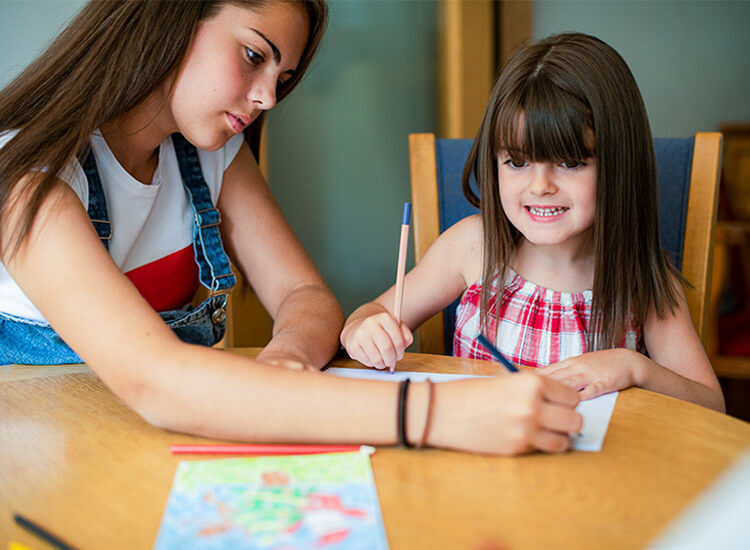
Play is one of the most vital aspects of early childhood development. It is far more than just fun it is a primary way through which young children learn about themselves, others, and the world around them. For students studying early childhood education in online college programs, understanding the role of play is crucial. Play not only supports learning but also nurtures essential cognitive, social, emotional, and physical skills that form the foundation for lifelong growth


Play is a key driver of cognitive development. Activities such as building blocks, sorting games, and puzzles challenge children to recognize patterns, solve problems, and think critically. Through imaginative play, children experiment with ideas and explore concepts in ways that are both meaningful and enjoyable. Online college students learn how to create play-based activities that enhance problem-solving, memory, attention, and language skills. These cognitive benefits are critical for preparing children for later academic success and fostering a mindset of curiosity and inquiry.
Play is equally important for social and emotional development. In group play, children learn to cooperate, share, negotiate, and resolve conflicts. They practice empathy, communication, and emotional regulation by interacting with peers in dynamic and sometimes challenging situations. Role-playing and cooperative games provide safe spaces for children to understand different perspectives and express themselves. Online students in early childhood programs are trained to observe these interactions and design activities that strengthen social skills and emotional intelligence, laying the groundwork for healthy relationships throughout life.
Physical play is essential for developing both fine and gross motor skills. Activities such as climbing, jumping, running, drawing, and manipulating small objects enhance coordination, balance, and dexterity. Beyond motor development, physical play helps regulate energy, improves focus, and contributes to overall health and well-being. Online college programs emphasize the importance of integrating physical activity into learning environments, teaching future educators how to design spaces and activities that keep children active, engaged, and safe.
Creative play encourages children to explore ideas and express themselves freely. Activities such as pretend play, art projects, music, and storytelling allow children to experiment, take risks, and think innovatively. This kind of play nurtures flexible thinking and problem-solving while helping children develop confidence in expressing their ideas. Online students learn how to facilitate environments that spark imagination, encouraging children to explore multiple solutions and approaches to challenges.
Many forms of play involve making choices, testing strategies, and learning from mistakes. Whether children are building structures, creating games, or experimenting with art materials, they learn resilience, persistence, and decision-making skills. Students in online early childhood programs study how to guide children through these experiences, helping them reflect on outcomes and make thoughtful decisions, which builds both confidence and critical thinking.
Play offers abundant opportunities for children to practice language and communication. Through storytelling, role-playing, singing, and interactive games, children develop vocabulary, narrative skills, and conversational abilities. Online college students learn techniques to create language-rich play experiences that enhance listening, speaking, and comprehension skills, preparing children for successful academic and social interactions.
Socially oriented play introduces children to diverse cultures, perspectives, and experiences. Activities that involve teamwork, storytelling, and role-playing help children develop empathy and cultural awareness. For online students training as educators, learning to incorporate inclusive, culturally sensitive play experiences is crucial in shaping globally aware and socially responsible learners.
Play is more than a developmental tool it cultivates a lifelong love of learning. Children who engage in regular, meaningful play develop curiosity, creativity, problem-solving abilities, and social-emotional competence. Online college students are taught how to design play-centred curricula that not only meet educational standards but also inspire children to explore, ask questions, and develop intrinsic motivation for learning that lasts beyond the classroom.
Play is the cornerstone of preschool and early childhood development. It nurtures cognitive, social, emotional, physical, and creative growth, while also fostering problem-solving, communication, and cultural awareness. For students in online college programs, understanding the critical role of play equips them with the skills and strategies to create engaging, developmentally appropriate learning environments. By prioritizing play, educators can help children grow into confident, curious, and capable learners ready to navigate the challenges and opportunities of life.